A Machinist's Guide to Designing Custom Spun Hemispheres
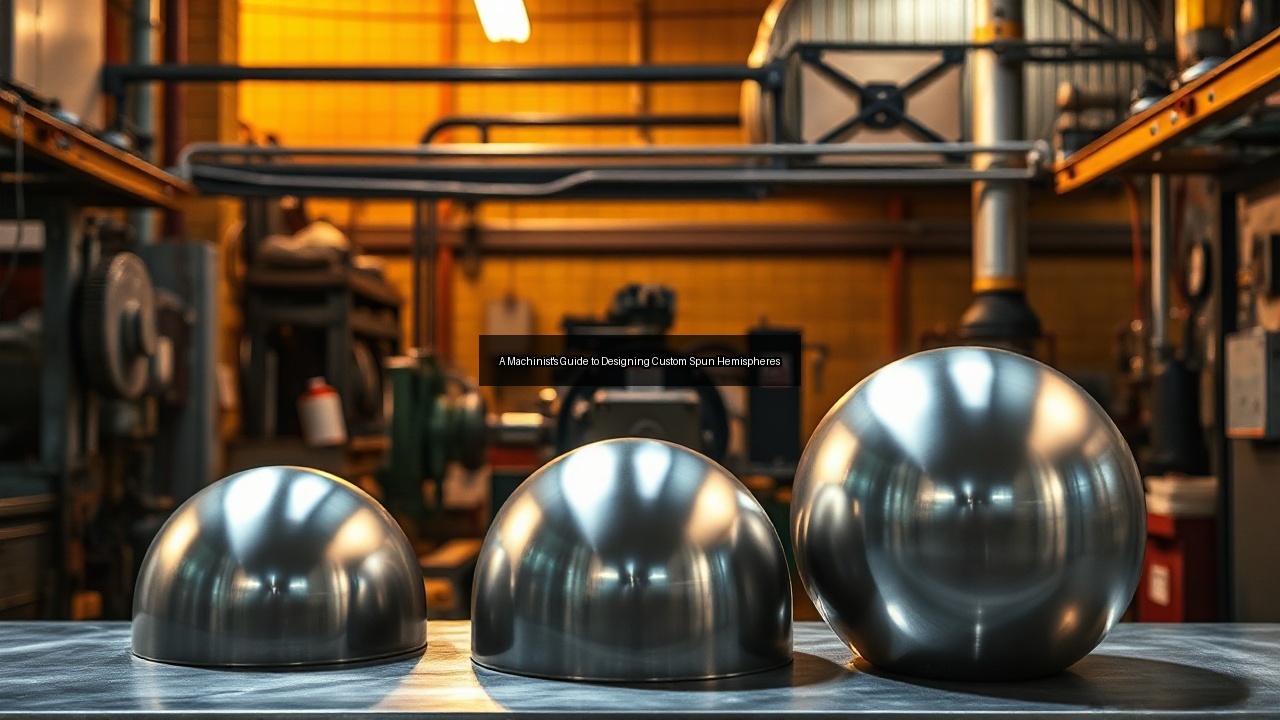
Understanding Custom Spun Hemispheres
What Are Custom Spun Hemispheres?
Custom spun hemispheres are precisely formed, half-spherical shapes created through a process known as metal spinning. This technique involves taking a flat metal disc, usually made of spun aluminum or other metals, and shaping it into a hemisphere using a lathe and specialized tools. The result is a seamless, robust structure that can be tailored to meet specific design and functional requirements. Machinists often employ this method for its adaptability, allowing for various sizes and thicknesses to suit the needs of different applications. The ability to create custom designs makes spun hemispheres highly sought after in multiple industries.
Applications of Custom Spun Hemispheres in Various Industries
Custom spun hemispheres find applications across a wide range of industries due to their unique shape and structural integrity. In the aerospace sector, they serve as components in fuel tanks and other structural elements that require lightweight yet durable materials. The automotive industry utilizes these hemispheres in exhaust systems and decorative elements, where both aesthetics and performance matter. Additionally, the architectural field employs spun hemispheres for decorative lighting fixtures and domes, enhancing both functionality and style. These applications highlight the versatility and importance of custom spun hemispheres in modern manufacturing.
Benefits of Using Spun Aluminum in Hemisphere Design
Spun aluminum offers several advantages in the design of custom spun hemispheres. First, its lightweight nature contributes to reduced overall product weight, which is crucial in industries like aerospace and automotive, where every ounce counts. Second, aluminum exhibits excellent corrosion resistance, ensuring longevity and durability in various environments. The material also allows for intricate designs, enabling machinists to create aesthetically pleasing products that do not compromise on strength. Finally, the cost-effectiveness of spun aluminum compared to other metals makes it a preferred choice for mass production, making it an ideal option for businesses looking to balance quality and affordability.
The Metal Spinning Process
Overview of Metal Spinning Techniques
The metal spinning process consists of several key steps that transform a flat disc of metal into a custom spun hemisphere. Initially, the machinist secures the metal disc in a lathe, where rotation begins. As the disc spins, a tool applies pressure to shape the metal into the desired form. Variations in technique, such as single-point or multi-point spinning, can affect the final product's quality and precision. Machinists must possess a keen understanding of pressure application, speed, and tool angle to achieve the desired results. Mastery of these techniques ensures that the finished hemispheres meet the exact specifications and tolerances required for their intended applications.
Materials Used in Metal Spinning: From Iron to Aluminum
Metal spinning accommodates various materials, with aluminum being the most popular choice due to its favorable properties. While iron can also be spun, it requires different handling due to its weight and rigidity. Other metals such as brass and stainless steel may be used depending on the application and desired characteristics of the final product. Each material offers unique advantages; for example, brass provides a brilliant finish, while stainless steel offers enhanced durability. The choice of material significantly impacts the spinning process and the final product's performance, emphasizing the importance of selecting the right metal for the job.
Key Equipment for Machinists in Spinning Hemispheres
Machinists need specific equipment to effectively spin hemispheres. A robust lathe equipped with a variable-speed motor allows for precise control during the spinning process. Spinning tools, such as rollers and paddles, are essential for shaping the metal into the desired form. Additionally, tool rests and fixtures help stabilize the workpiece, ensuring accuracy and consistency. Other tools, like calipers and gauges, aid in measuring dimensions and thickness to meet custom requirements. Investing in high-quality equipment not only improves the quality of spun hemispheres but also enhances the efficiency of the metalworking process.
Design Considerations for Custom Hemispheres
Factors Influencing Hemisphere Design
Designing custom spun hemispheres requires careful consideration of various factors. The intended application plays a significant role in determining the dimensions, material, and thickness of the hemisphere. For instance, an aerospace application may require a lighter and thinner design, while a decorative architectural piece might prioritize aesthetics over weight. Additionally, the manufacturing process influences design decisions; certain features might be easier to implement during spinning than others. Machinists must consult with clients to understand their needs fully and create designs that balance functionality with visual appeal, ensuring the final product meets all requirements.
Customizing Dimensions and Thickness for Specific Needs
Customization of dimensions and thickness is a crucial aspect of designing spun hemispheres. Machinists can adjust the diameter, radius, and wall thickness to create products that match specific requirements. For example, a thicker hemisphere may be necessary for applications subject to high pressure or stress, while a thinner design might suffice for decorative purposes. Understanding the material properties and how they interact with the chosen dimensions is essential for achieving the right balance of strength and weight. By leveraging advanced design software, machinists can visualize and modify their designs, ensuring that the final product aligns perfectly with client specifications.
Finishing Techniques for Enhanced Aesthetics and Functionality
Finishing techniques play a vital role in enhancing the aesthetics and functionality of custom spun hemispheres. Machinists often employ methods such as polishing, anodizing, or powder coating to improve surface quality and appearance. Polishing provides a smooth, reflective finish, ideal for decorative applications. Anodizing not only enhances corrosion resistance but also allows for the addition of color, making it suitable for architectural uses. Powder coating offers a durable, protective layer that can withstand harsh environments or wear and tear. Choosing the appropriate finishing technique depends on the intended use and desired visual characteristics, enabling machinists to elevate their products to the next level.
Best Practices for Machinists Working with Spun Hemispheres
Safety Precautions in Metalworking
Safety remains paramount in metalworking, especially when spinning custom hemispheres. Machinists must wear appropriate personal protective equipment (PPE), including safety goggles, gloves, and ear protection, to guard against flying debris and loud machinery. Proper training in equipment operation and safety protocols is essential to minimize the risk of accidents. Keeping work areas clean and organized helps prevent slips, trips, and falls. Regular maintenance of equipment also ensures safe operation, reducing the likelihood of malfunctions during the spinning process. By prioritizing safety, machinists can create a secure working environment that fosters productivity and well-being.
Tips for Precision in Custom Hemisphere Production
Achieving precision in custom hemisphere production requires attention to detail and a commitment to quality. Machinists should calibrate their equipment regularly to ensure accurate measurements and consistent results. Using high-quality materials can also contribute to the overall precision of the final product. Employing advanced design software allows for detailed modeling and adjustments before production begins, reducing the likelihood of errors. Implementing strict quality control measures throughout the fabrication process helps identify and rectify issues early, ensuring that the finished hemispheres meet the required specifications. By following these tips, machinists can produce high-quality custom spun hemispheres that exceed client expectations.
Troubleshooting Common Issues in Spun Hemisphere Fabrication
Even experienced machinists encounter challenges during spun hemisphere fabrication. Common issues include warping, uneven thickness, and surface defects. Warping often stems from improper tool pressure or excessive heat generated during spinning. To mitigate this, machinists should monitor their techniques closely and adjust parameters as needed. Uneven thickness can result from inconsistent material properties or spinning techniques. Regular checks during the spinning process can help catch this issue early. Surface defects, such as scratches or blemishes, may occur due to inadequate finishing methods or contamination. Proper cleaning and careful handling of materials can prevent these problems. By being proactive and knowledgeable about potential issues, machinists can ensure the successful production of custom spun hemispheres.