Harnessing the Benefits of Silistors and PTC Thermistors Together
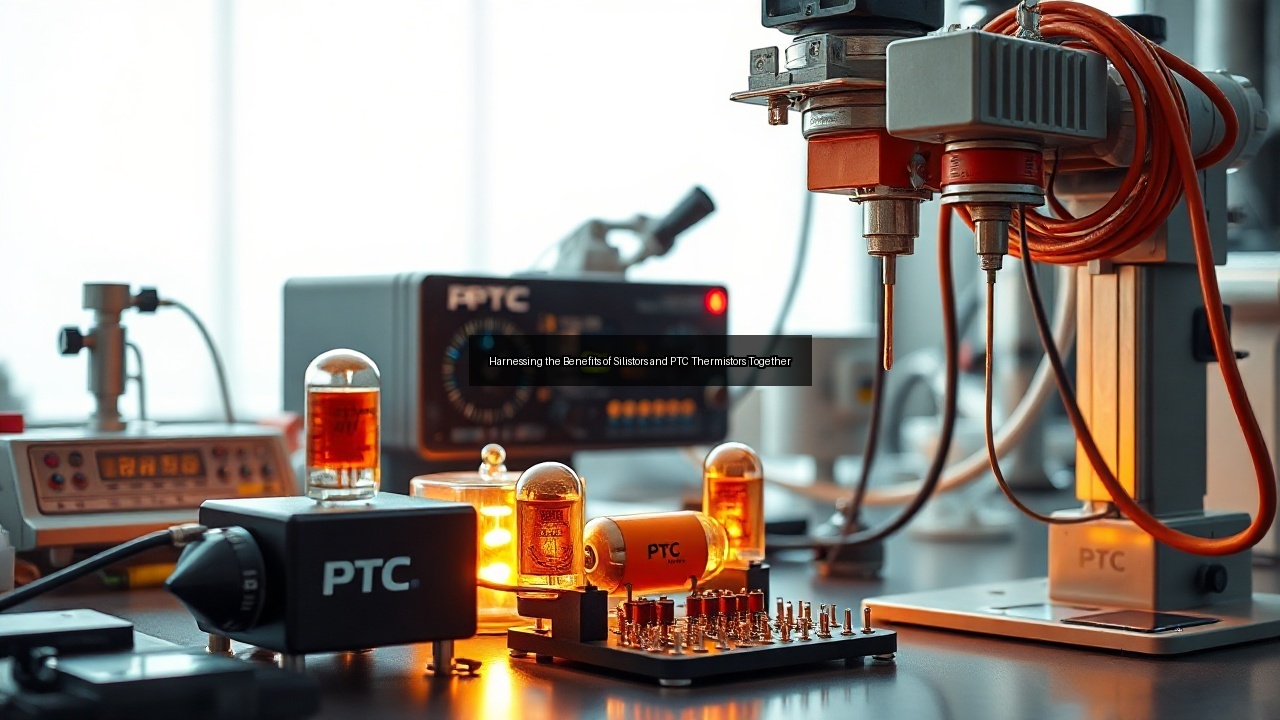
Understanding PTC Thermistors and Silistors in Electrical Systems
Introduction to PTC Thermistors
PTC thermistors, or Positive Temperature Coefficient thermistors, play a vital role in modern electrical systems. These semiconductor devices exhibit a significant increase in resistance when exposed to elevated temperatures. The key characteristic of PTC thermistors is their ability to self-regulate temperature, making them invaluable in various applications, including overcurrent protection and temperature sensing. When current passes through a PTC thermistor, its resistance rises sharply at a certain threshold, effectively limiting the inrush current. This makes PTC thermistors ideal for safeguarding sensitive electronics against damage caused by sudden surges of electricity.
Engineers design PTC thermistors with specific temperature coefficients, ensuring they activate at predetermined temperatures. Their reliability and simplicity make them a preferred choice for many electrical applications. Additionally, PTC thermistors come in various forms, including surface mount and through-hole types, allowing flexibility in design and installation. Users benefit from their compact size and efficiency, which contribute to the overall performance of electrical systems.
What are Silistors?
Silistors, a hybrid of silicon and thermistors, function as voltage-dependent resistors in electrical systems. They showcase unique characteristics, combining the attributes of a thermistor and a semiconductor device. Silistors operate effectively as relays, providing a low-resistance path during normal operation while switching to a high-resistance state during overload conditions. This transition protects circuits from excessive current, enhancing safety and reliability.
The Role of Insulation in Thermal Management
Insulation plays a crucial role in managing heat within electrical systems that employ PTC thermistors and silistors. Effective thermal insulation prevents heat dissipation, maintaining optimal operating temperatures for devices. This is particularly important in applications where excessive heat can lead to component failure or decreased performance. Insulating materials can be strategically placed around PTC thermistors and silistors to enhance their efficiency and longevity.
Proper insulation ensures that the thermal response of PTC thermistors remains accurate, allowing them to perform their inrush current limiting function effectively. Silistors benefit from insulation as well, as it helps maintain their operational integrity by reducing the risk of thermal runaway. In combination, PTC thermistors and silistors create an efficient thermal management system supported by high-quality insulation. This synergy maximizes the reliability of electrical systems, making them more resilient against fluctuations in temperature and current.
Combining PTC Thermistors and Silistors for Enhanced Performance
Functionality of PTC Thermistors as Inrush Current Limiters
PTC thermistors excel as inrush current limiters, providing essential protection in electrical systems. When a device powers on, it often experiences an initial surge of current, known as inrush current. This sudden influx can damage sensitive components if not properly managed. PTC thermistors mitigate this risk by dramatically increasing their resistance when the temperature rises due to the inrush current. As a result, they effectively limit the current flowing into the circuit until the system stabilizes.
Through careful design, engineers can select PTC thermistors with appropriate activation temperatures to suit specific applications. This ensures that during normal operation, the thermistor allows sufficient current to flow while still providing a protective barrier against excessive inrush. The self-resetting nature of PTC thermistors means they return to their low-resistance state after the inrush event, allowing the system to operate safely and efficiently. By integrating PTC thermistors, manufacturers enhance the durability and longevity of electronic devices, making them a critical component in various applications.
Silistors as Effective Relays in Electrical Systems
Silistors serve as effective relays, enabling precise control over current flow in electrical systems. Their unique design allows them to switch between low and high resistance states, acting as a safeguard against overcurrent situations. When integrated with PTC thermistors, silistors provide a dynamic response to fluctuating electrical conditions, enhancing the overall safety and efficiency of the system.
As relays, silistors can handle significant voltage and current loads, making them suitable for a variety of applications, including motor control and power management. Their rapid switching capabilities ensure that circuits can react quickly to changes, minimizing the risk of component damage. Silistors also contribute to energy efficiency by reducing energy losses during operation. This combination of PTC thermistors and silistors fosters a reliable electrical system that meets the demands of ptc resistor modern technology.
How PTC Heating Elements Work with Silistors
PTC heating elements, often used in self-regulating heaters, function effectively alongside silistors to provide controlled heating solutions. When current flows through a PTC heating element, its temperature rises, increasing resistance and limiting the amount of current that can pass through. This self-regulating property ensures that the heater maintains a consistent temperature without the need for complex control systems.
Silistors enhance the functionality of PTC heating elements by acting as relays that manage power supply. When paired with PTC heating elements, silistors can quickly respond to changes in temperature and current, optimizing performance. For example, in a self-regulating heater application, silistors can cut off power in the event of overheating, protecting both the heating element and the overall system. This integration creates an efficient heating solution that is both safe and effective, fulfilling the needs of various industries, including automotive, HVAC, and consumer electronics.
Applications and Benefits of Integrating PTC Thermistors and Silistors
Self-Regulating Heaters and Their Efficiency
Self-regulating heaters incorporate PTC thermistors and silistors to provide efficient and safe ptc resistor heating solutions. These heaters leverage the self-regulating properties of PTC thermistors, which automatically adjust their temperature based on the surrounding environment. The integration of silistors further enhances their efficiency by managing the electrical current supplied to the heating element, ensuring optimal performance during operation.
The energy efficiency of self-regulating heaters makes them ideal for applications in residential and industrial settings. These systems reduce energy consumption by only drawing the necessary power to maintain desired temperatures. Furthermore, the safety features offered by PTC thermistors and silistors protect against overheating and electrical faults, making them suitable for use in sensitive environments. Users benefit not only from reduced energy costs but also from the peace of mind that comes with enhanced safety measures.
Thermostat Applications: Balancing Heat and Safety
Thermostats play a crucial role in controlling temperature within various systems, and the integration of PTC thermistors and silistors significantly enhances their function. PTC thermistors provide accurate temperature measurements, allowing thermostats to make informed decisions about heating or cooling. Meanwhile, silistors act as relays that control power delivery based on thermostat signals, ensuring that systems respond promptly to changes in temperature.
This combination allows for superior temperature management, balancing comfort and energy efficiency. In applications such as HVAC systems, smart thermostats utilize PTC thermistors and silistors to adapt to user preferences and environmental conditions. The result is a more responsive system that optimizes energy use while maintaining a comfortable indoor climate. By leveraging the strengths of both components, manufacturers develop advanced thermostat solutions that enhance user experience and system performance.
Case Studies of PTC and Silistor Integration in Real-World Scenarios
Numerous case studies highlight the successful integration of PTC thermistors and silistors in real-world applications. For instance, in automotive systems, manufacturers have employed these components to protect sensitive electronics from inrush currents and overheating. By implementing PTC thermistors as inrush current limiters and silistors as relays, engineers have developed robust electrical systems that withstand the harsh demands of automotive environments.
In another example, industrial heating systems have benefited from the synergy between PTC thermistors and silistors. The combination of self-regulating PTC heaters and silistor relays has resulted in efficient and safe heating solutions for processes requiring precise temperature control. These case studies demonstrate the versatility and effectiveness of integrating PTC thermistors and silistors, paving the way for future innovations in electrical systems.