The Future of Medical Plastics Machining Driven by Technological Advancements
Technological Innovations in Medical Plastics Machining
Advancements in CNC Machining for Medical Applications
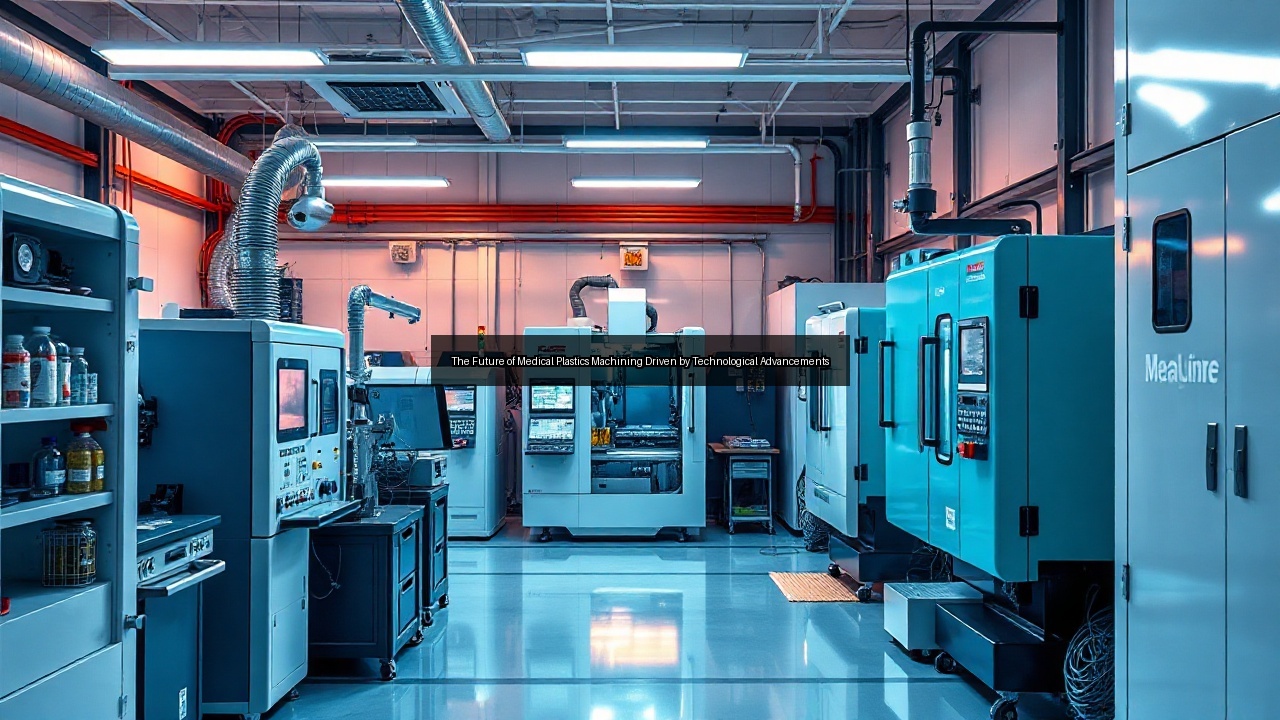
Medical plastics machining has undergone a significant transformation due to advancements in CNC (Computer Numerical Control) machining technologies. This evolution enhances precision, allowing manufacturers to produce intricate components for medical devices with tight tolerances. CNC machining systems can operate with minimal human intervention, significantly reducing the risk of errors and improving production efficiency. Modern CNC machines utilize advanced software that supports complex geometric designs, enabling the creation of customized medical devices tailored to specific patient needs. This level of customization is crucial in fields such as orthopedics and dental applications, where each device must fit perfectly to ensure optimal performance. The integration of automation in CNC machining also allows for rapid prototyping, enabling manufacturers to quickly develop and test new products. This agility is essential in an industry that demands innovation and speed. Manufacturers like Genesis Medical Plastics are at the forefront of this technological shift, utilizing CNC machining to deliver high-quality, reliable medical components.
The Role of Extruded and Injection Molded Plastics
Extrusion and injection molding are two pivotal processes in medical plastics machining that significantly impact the production of medical devices. Extruded plastics serve as a reliable base material for various applications, providing uniformity and consistency. Through extrusion, manufacturers can create continuous lengths of plastic, ideal for tubing, sheets, and profiles needed in medical settings. Injection molding, on the other hand, allows for the creation of complex shapes and features, making it indispensable in the production of intricate components like syringes and surgical instruments. This method offers excellent repeatability and scalability, ensuring that products meet the high-volume demands of the healthcare industry. Both processes utilize thermoplastic materials, which are favored for their ease of processing and ability to maintain high levels of biocompatibility. manufactured This is crucial for medical applications where device safety and patient health are paramount. Manufacturers can also select high-performance plastics that withstand sterilization processes and harsh environments, further solidifying the role of extruded and injection molded plastics in medical device production.
High Performance Plastics and Their Applications in Medical Devices
High-performance plastics play a vital role in medical plastics machining, particularly in applications requiring superior mechanical properties and biocompatibility. These advanced polymers, such as polyetheretherketone (PEEK) and polyimide, offer exceptional strength, heat resistance, and chemical stability, making them ideal for demanding medical environments. In surgical instruments and implantable devices, high-performance plastics mitigate the risk of device failure, which is critical for patient safety. Their ability to withstand sterilization processes without degrading ensures that the integrity of the device remains intact throughout its lifecycle. Furthermore, high-performance plastics can be machined to precise tolerances, meeting the stringent quality standards set forth by regulatory bodies like the FDA. This precision is essential when producing components such as orthopedic implants, which require exact specifications to ensure proper fit and function. The continued innovation in high-performance plastics opens new avenues for medical device manufacturers, enabling them to push the boundaries of design and functionality.
Quality Standards and Regulatory Compliance
FDA Regulations Impacting Medical Plastics Manufacturing
The FDA plays a critical role in regulating medical plastics manufacturing, ensuring that products meet stringent safety and efficacy standards. Manufacturers must navigate a complex landscape of regulations that govern everything from material selection to production processes. Compliance with FDA guidelines is non-negotiable, as any lapse can lead to significant repercussions, including market withdrawal and reputational damage. The FDA's Quality System Regulation (QSR) mandates that medical device manufacturers maintain a rigorous quality management system (QMS). This includes thorough documentation, process validation, and regular audits. Manufacturers must also provide evidence that their medical plastics are safe for their intended use, which often involves extensive testing for biocompatibility. By adhering to FDA regulations, manufacturers can ensure that their medical devices are not only compliant but also meet the highest quality standards expected by healthcare providers and patients alike. This commitment to quality fosters trust and reliability, essential attributes in the competitive landscape of medical plastics machining.
Ensuring Biocompatibility in Medical Plastics
Biocompatibility is a critical consideration in medical plastics machining. Medical devices often come into direct contact with human tissue, making it essential that materials do not elicit adverse reactions. Manufacturers must conduct comprehensive testing to ensure that their plastic materials meet biocompatibility standards set by organizations like ISO (International Organization for Standardization). This testing evaluates various factors, including cytotoxicity, sensitization, and irritation. Manufacturers can select materials that have demonstrated biocompatibility in previous studies, reducing the time and resources required for testing new devices. Materials such as polycarbonate, nylon, and certain grades of polyethylene are frequently chosen for their favorable biocompatibility profiles. By ensuring that medical plastics comply with biocompatibility requirements, manufacturers not only protect patient health but also enhance the credibility of their products in a heavily regulated market.
Quality Control Measures for Medical Grade Plastics
Implementing robust quality control measures is fundamental to medical plastics machining. Each stage of the manufacturing process, from raw material selection to final inspection, requires stringent oversight to ensure that products meet the necessary quality standards. Manufacturers often employ statistical process control (SPC) to monitor production processes in real-time, allowing for immediate corrective actions when deviations occur. Testing protocols for medical-grade plastics include dimensional inspections, mechanical property assessments, and sterilization validation. These measures ensure that the final products not only meet design specifications but also perform reliably under clinical conditions. Moreover, collaboration with experienced suppliers, such as Ensinger, can enhance quality control efforts. These partnerships ensure access to high-quality materials and compliance with industry standards. A commitment to quality control not only safeguards patients but also reinforces the manufacturer’s reputation in the medical device market, ultimately driving business success.
Trends Shaping the Future of Medical Plastics Machining
Emergence of Near Net Shapes in Medical Device Production
The concept of near net shapes is revolutionizing medical plastics machining. This approach minimizes waste and reduces the need for extensive secondary machining processes, leading to more efficient manufacturing. Near net shape production involves designing components that are close to their final form, which streamlines the overall production process. By utilizing advanced techniques such as additive manufacturing and precision tooling, manufacturers can create components that require minimal post-processing. This not only reduces material costs but also shortens lead times, allowing for faster product development cycles. The emergence of near net shapes also aligns with the growing demand for customization in medical devices, as manufacturers can produce tailored solutions without significantly increasing production complexity. As the industry continues to embrace near net shape techniques, manufacturers can expect improved resource efficiency and enhanced sustainability in their operations, further solidifying their competitive edge manufactured in the market.
The Impact of Sterilization Processes on Machined Plastics
Sterilization processes are crucial in the medical device industry as they ensure that products are free from harmful microorganisms before manufactured reaching the end-user. However, these processes can impact the integrity of machined plastics. Understanding the effects of various sterilization methods—such as steam, ethylene oxide, and radiation—is essential for manufacturers. Certain plastics may degrade or lose their mechanical properties when subjected to high temperatures or radiation. Therefore, selecting the right materials that can withstand these processes while maintaining their performance is vital. Manufacturers must conduct thorough evaluations to determine the compatibility of their machined plastics with the chosen sterilization method. Innovative materials and coatings are emerging to improve the resilience of medical plastics against sterilization effects. By staying informed about the latest advancements, manufacturers can enhance the durability and reliability of their products, ensuring they meet the strict demands of the healthcare environment.
Sustainability in Medical Plastics Manufacturing
Sustainability is becoming a significant trend in medical plastics machining. Manufacturers are increasingly aware of the environmental impact of their operations and are seeking ways to reduce waste and improve resource efficiency. The adoption of sustainable practices includes utilizing recycled materials, optimizing production processes, and implementing eco-friendly disposal methods. Innovative bioplastics derived from renewable resources are gaining traction in the medical industry. These materials not only offer biocompatibility but also reduce reliance on fossil fuels. By integrating sustainability into their manufacturing processes, companies can appeal to environmentally conscious consumers and stakeholders. Moreover, regulatory bodies are beginning to emphasize sustainability in their guidelines, prompting manufacturers to adopt greener practices proactively. As the demand for sustainable solutions continues to rise, manufacturers that prioritize environmental responsibility in their medical plastics machining will likely gain a competitive advantage in the market.
See Also
- Genesis Medical Plastics Pioneering the Industry with Innovative Solutions
- The Evolution of Plastics Processing in the Medical Field
- Understanding FDA Standards in Medical Plastics Manufacturing
- Navigating the Complexities of Medical Device Design with Machined Plastics
- The Art of Creating Near Net Shapes in Medical Plastics Machining