Unlocking the Secrets of Swiss Turning Techniques for Enhanced Metal Fabrication
Understanding Swiss Turning Techniques
What is Swiss Turning?
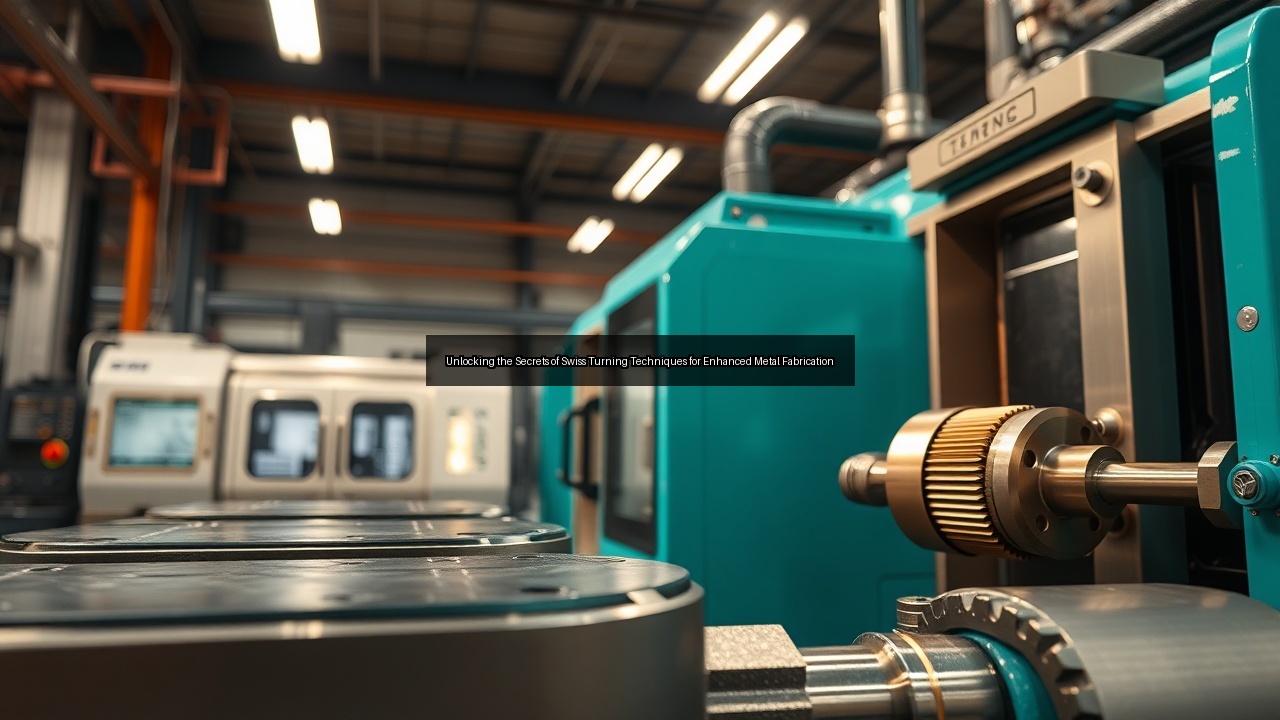
Swiss turning services produce small, high-precision parts by feeding bar stock through a guide bushing that sits directly behind the cutting zone. The sliding headstock advances the material while the bushing prevents deflection, so tools maintain tight contact even on long, slender diameters. This method supports simultaneous operations from multiple axes, completing complex contours, cross holes, and threads in one cycle. Manufacturers choose swiss turning services when parts demand tolerances tighter than standard cnc turning service equipment can hold reliably. The process handles diameters from fractions of a millimeter up to roughly 32 mm and works equally well on metals and plastics. Operators monitor chip load and coolant flow to preserve surface integrity throughout extended production runs.
Historical Background of Swiss Turning
Swiss turning originated in 19th-century Switzerland to meet the exacting requirements of watch component production. Early manual machines used a fixed tool post and moving headstock to keep delicate parts stable. As demand grew for consistent accuracy, builders refined the guide bushing concept that still defines the technology. During the mid-20th century, numerical controls replaced hand wheels, and modern cnc versions integrated live tooling and sub-spindles. Today, companies such as Hogge Precision Parts and McCormick Industries rely on these evolved platforms for both prototype and high-volume work. The lineage from horology to aerospace demonstrates how incremental mechanical improvements, paired with digital controls, expanded swiss turning services into nearly every precision sector.
Key Differences between Swiss Turning and Traditional CNC Turning
Traditional cnc turning service machines grip the workpiece in a chuck or collet several inches from the cut zone, inviting deflection on extended features. Swiss machines place the guide bushing millimeters from the tool tip, allowing unsupported lengths many times the diameter without chatter. Bar feeders enable continuous operation on swiss lathe equipment, whereas conventional lathes often require manual reloading. Swiss platforms routinely combine turning, milling, drilling, and threading in a single setup, reducing secondary operations. Traditional cnc milling or cnc routing cells handle larger parts more economically, yet they rarely match the micro-tolerances and surface finishes achieved through swiss turning services on intricate components.
The Advantages of Swiss Turning Services
Enhanced Precision and Tolerances
Swiss turning services routinely hold diameter tolerances of ±0.0002 inches and concentricity within 0.0005 inches TIR. The guide bushing eliminates whip, so cutting forces remain predictable and tools last longer. Temperature-controlled environments and high-resolution encoders further stabilize the process. Precision machining services using swiss lathe technology therefore deliver parts that drop straight into assemblies without additional fitting. Aerospace valve seats, medical bone screws, and optical connectors all benefit from this level of repeatability. When design engineers specify features that would require grinding on other equipment, swiss turning often completes them in the same cycle, shortening lead times and lowering overall cost.
Efficient Use of Materials
Because swiss turning services process bar stock from start to finish, remnant lengths shrink dramatically compared with chucking methods. Short cutoffs at the end of each bar represent the only waste, and many shops recycle that material directly. The technique also supports near-net-shape turning, removing only the necessary volume to reach final dimensions. This efficiency proves valuable when working with expensive alloys or high-performance plastics. Reduced scrap lowers both material purchases and disposal fees, while consistent chip control keeps coolant clean for longer intervals. Shops running swiss turning services therefore improve margins on high-value contracts without compromising quality.
Versatility in Metal and Plastic Fabrication
Swiss turning services machine stainless steel, copper, brass, titanium, and aluminum with equal facility. The same platforms accommodate acetal, PTFE, PEEK, and other engineering plastics that demand sharp tooling and controlled heat. Quick-change collets and modular tooling let operators switch between metal and plastic jobs within minutes. A single swiss lathe can produce a steel actuator shaft in the morning and a PTFE insulator in the afternoon. This flexibility allows contract manufacturers to consolidate suppliers and respond rapidly to mixed-material orders common in electronics and medical device industries.
Essential Tools and Machines for Swiss Turning
Overview of Swiss Lathes
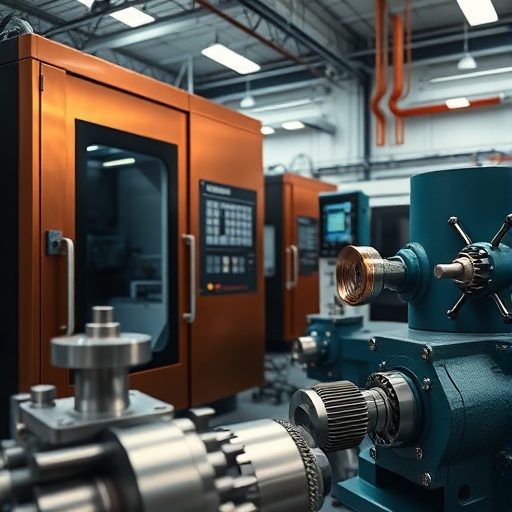
Modern swiss lathes feature a fixed tool zone and a moving headstock driven by precision ball screws. The guide bushing, typically carbide or ceramic lined, supports stock within 1 mm of the cut. Main and sub-spindles operate synchronously for part transfer, enabling back-side machining without manual handling. Many models incorporate up to twelve live tools for milling flats, slots, and cross holes. Bar capacities range from 3 mm to 32 mm, and optional thread whirling attachments cut high-lead threads in exotic materials. These machines form the core of any precision machining services offering swiss turning services.
CNC Machining Tools in Swiss Turning
CNC controls synchronize spindle speeds, feed rates, and tool offsets in real time. Live tooling stations accept ER collets or custom holders for end mills, drills, and taps. High-pressure coolant through the tool tip evacuates chips from deep holes and improves finishes on gummy materials such as copper and acetal. Some builders integrate cnc milling heads that reach 20,000 rpm for micro-features. When combined with automatic bar feeders and part collectors, these tools run lights-out shifts with minimal operator intervention. The resulting throughput supports both prototype batches and production volumes demanded by automotive and defense customers.
The Role of Threading and Surface Finishing Tools
Thread whirling and thread milling heads cut precise threads on long, slender parts without the deflection common on conventional lathes. For fine-pitch threads on medical implants, single-point threading tools with polished edges produce burr-free results. Surface finishing passes follow immediately using wiper inserts or roller burnishing tools that achieve 8 µin Ra finishes. Swiss turning services therefore eliminate secondary grinding or polishing steps on many components. Proper selection of insert geometry and coating extends tool life while maintaining the tight tolerances required in critical applications.
Quality Assurance in Swiss Turning
ISO Standards in Precision Manufacturing
ISO 9001 and AS9100 certifications require documented process controls, calibrated equipment, and traceable material records. Swiss turning services operating under these standards maintain detailed setup sheets, in-process inspection points, and final audit procedures. Compliance ensures consistent output across shifts and machines. Customers in regulated industries receive first-article reports and statistical process control data that demonstrate capability indices above 1.67. The discipline imposed by ISO frameworks reduces variation and supports continuous improvement initiatives within the shop.
Quality Control Measures at Companies like Hogge Precision Parts
Hogge Precision Parts implements layered process audits that verify tool offsets, bushing wear, and coolant concentration before each shift. In-machine probing confirms critical dimensions without removing parts from the work zone. Statistical sampling at defined intervals feeds data into real-time dashboards, flagging trends before tolerances drift. McCormick Industries applies similar protocols, emphasizing operator training and preventive maintenance schedules. These measures protect delivery schedules and maintain the reputation of swiss turning services among demanding OEMs.
Importance of Testing and Inspection
Coordinate measuring machines verify complex geometries that optical comparators cannot capture. Surface finish profilometers quantify roughness on turned and milled features. Material test reports accompany each lot when traceability matters. Functional gauging confirms fit with mating components before shipment. Thorough inspection routines catch issues early, preventing costly escapes and reinforcing customer confidence in precision machining services that rely on swiss turning services.
Applications and Industries Utilizing Swiss Turning
Swiss Turning in Aerospace and Automotive Industries
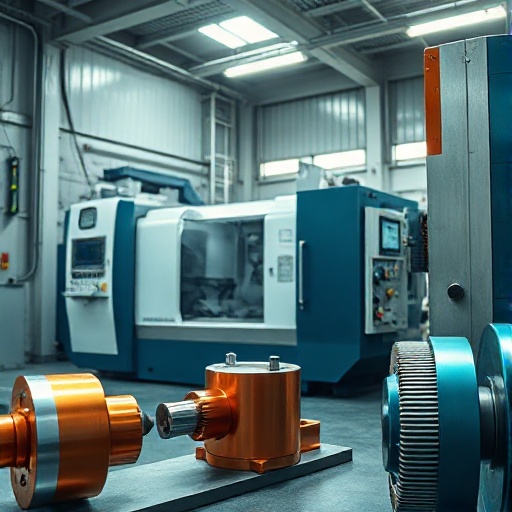
Aerospace fuel nozzles and sensor housings require concentricity and surface integrity only swiss turning services consistently deliver. Automotive transmission valves and injector components benefit from the high-volume repeatability of bar-fed swiss lathes. Both sectors demand documentation packages and PPAP submissions that certified shops already maintain. The ability to produce parts from 303 stainless one week and 7075 aluminum the next allows suppliers to support fluctuating production schedules without retooling entire cells.
Use of Materials: Steel, Copper, Acetal, and PTFE
Steel alloys provide strength for structural fittings, while copper excels in electrical contacts due to its conductivity. Acetal offers dimensional stability in gears and bushings, and PTFE supplies chemical resistance for seals and insulators. Swiss turning services machine all four materials on the same platforms by adjusting speeds, feeds, and coolant strategies. Shops stock certified bar in multiple diameters, enabling quick response to design changes that substitute one material for another without new tooling investments.
The Future of Swiss Machining Services: Trends in CNC and 3D Printing
Hybrid machines now combine swiss turning services with additive heads that deposit metal or polymer features before final machining. Integrated cnc controls manage both subtractive and additive paths within one program. 3D printing produces fixtures and soft jaws that speed setup for short runs. As software improves collision avoidance and toolpath optimization, swiss machining services continue to absorb work previously sent to dedicated milling or routing cells. The result is fewer fixtures, shorter lead times, and expanded design freedom for engineers specifying complex, multi-material assemblies.
See Also
- Why Quality Assurance is Key in Swiss Turning Services for Critical Components
- The Future of CNC Machining Exploring Innovations in Swiss Turning Services
- From Design to Delivery How Swiss Turning Services Elevate Manufacturing Standards
- Mastering Precision with Swiss Turning Services for Superior Machining Solutions